Commuter week
Busy Jakarta commuters
Lunch near the office, no time to cook at noon. The plan swaps fried snacks for choices you can buy in the same building.
 NutriKonsul
Jl. Gatot Subroto No. 52, Jakarta Selatan, 12930, Indonesia
Monday to Friday, 9:00 AM – 6:00 PM

Konsultasi gizi online · Jakarta & seluruh Indonesia
An ahli gizi reads your intake form before the call, then plans your week around the food your household already eats — rice, tempeh, greens, fish, eggs, and the warung meals you actually buy.
Evening slots 18:30–21:00 WIB, seven days a week. The coordinating team sits on Jl. Gatot Subroto, Jakarta Selatan — the session itself happens wherever you are.
A session with an ahli gizi starts from your current pola makan: what you cook, who you cook for, and what your weekly budget allows. Your dietitian reviews the intake form before the call, so the conversation begins with substance instead of background.
You leave with a written menu harian structure and a shopping list sized for your household. Follow-up sessions adjust it when work travel, Ramadan, or a new baby changes your routine. This is nutrition education and meal planning; it does not replace guidance from your own health provider.
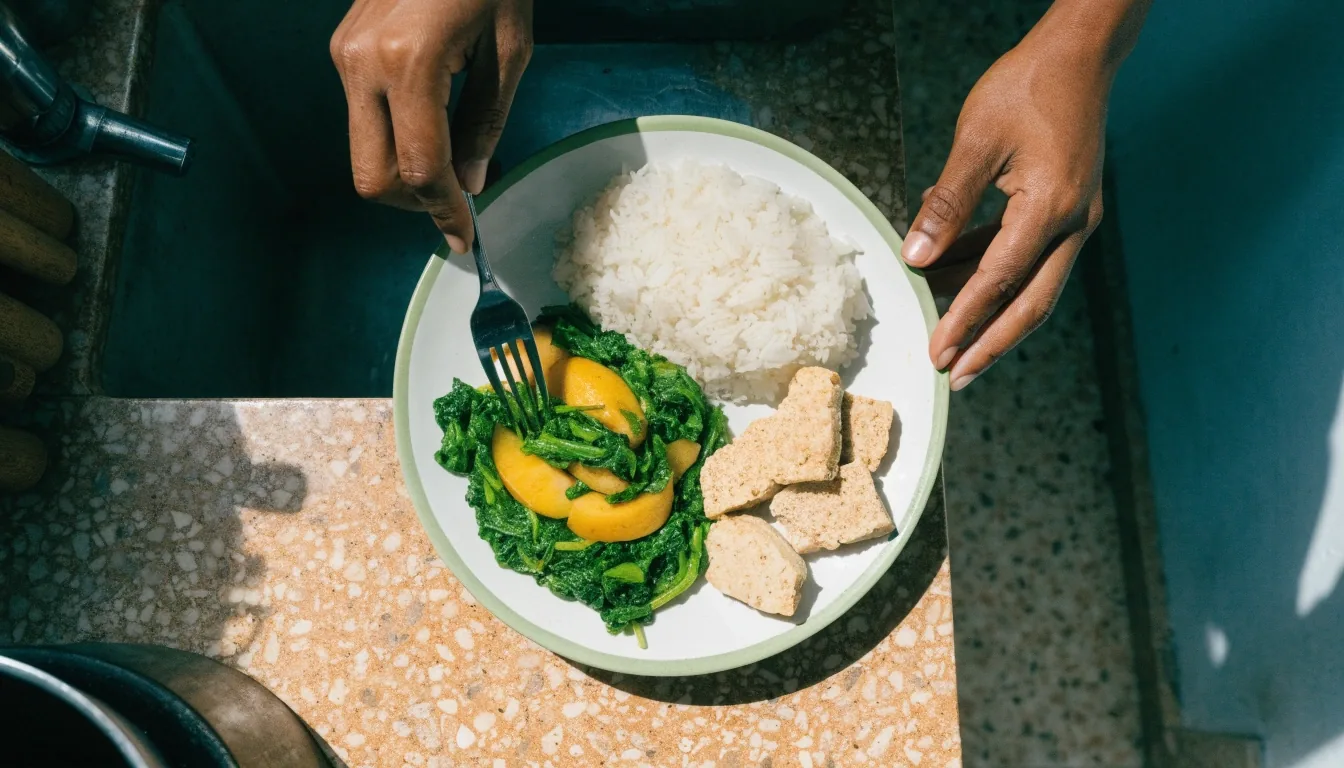
Isi piringku, rumah version
Half the plate for vegetables and fruit, a quarter for rice, a quarter for fish, eggs, tempeh or tahu — portions you already have in the kitchen.
Three groups come to us most often. Read the row that sounds like your week; the dietitian adjusts the perencanaan makan accordingly.
Lunch near the office, no time to cook at noon. The plan swaps fried snacks for choices you can buy in the same building.
One pot has to work under one roof. Portions shift by age; the menu stays the same.
A plate that follows isi piringku without giving up the food your family cooks.
You do not need a special kitchen or imported ingredients. If you eat at a rumah makan five days a week, say so on the form — the plan can work around it.

Four steps, and none of them require you to travel. Your file stays with the same dietitian, so a rescheduled call never means repeating your story.
See the full session walkthroughYour name, contact number, city, a rough description of your eating routine, and a preferred session window: morning, afternoon, or evening WIB.
Usually within one working day. You receive the intake questionnaire: fourteen questions on meals, water, snacking, cooking frequency, and food allergies. It takes about ten minutes.
That is why the first call begins with the real question: what do you eat on a normal Tuesday, where are the gaps, and which two or three changes are realistic this month.
Most first sessions run 45 to 60 minutes by video or phone, whichever you selected. You finish with a menu harian structure and a shopping list sized for your household. Payment is by bank transfer before the confirmed slot; the coordinator sends the details once your registration is received.
Sessions seven days a week · evening slots 18:30–21:00 WIB
Rules like "no rice after 6pm" rarely survive a family dinner. A perencanaan makan approach works on the week's plates instead of a list of bans: decide the protein for each day, keep vegetables in the fridge you will actually cook, and know which packaged foods to buy less often.
Research on Indonesian diets repeatedly notes limited intake of animal-source foods and a heavy presence of ultra-processed foods in the food supply. Everyday choices carry real weight, and a structured weekly plan addresses both sides of that without lecturing anyone at the table.
Sleep, water, meal timing, and how often you eat outside the home shape what is possible on your plate. Someone who skips breakfast and eats one large evening meal needs a different structure than someone who grazes all day.
We also ask about serat intake and fermented foods, because fiber, tempeh and vegetables come up in almost every plan. If you already take probiotics or supplements, the dietitian can note them in context. NutriKonsul does not sell supplements — the dietitian's job is food guidance, and that is where the sessions stay.

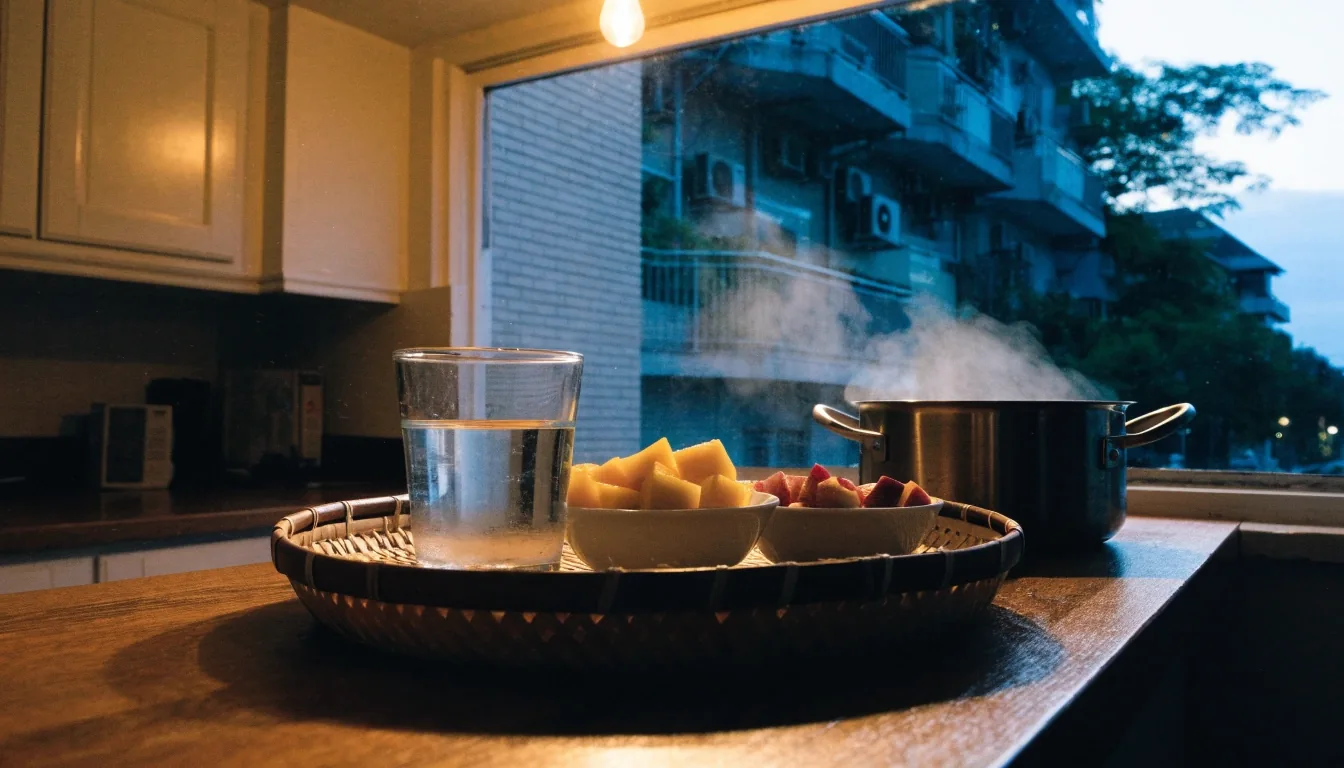
Bring the questions you actually have. The session is a conversation about your kitchen, not a lecture about food in general.
Session windows
Sessions run seven days a week. Evening slots from 18:30 to 21:00 WIB cover anyone who cannot take a call during office hours. Saturday mornings are the most requested window, so book a few days ahead if you want one.
Your file follows you
The dietitian keeps your notes across sessions, so a rescheduled call does not mean repeating your story. If you are outside Jakarta the process is identical — the consultation is fully online.
Where the team sits
Jl. Gatot Subroto No. 52, Jakarta Selatan, 12930. That address is where the coordinating team works; no visit is needed for an online session.
Office hours
Monday to Friday, 9:00 AM to 6:00 PM. Call +62 21 520 1234 or write to [email protected] and the coordinator will pick it up from there.
Meal changes stick faster when the person cooking agrees with them. Bring your spouse, your mother, or whoever runs the kitchen to the session if they are willing; many dietitians in our network welcome it.
If that is not possible, ask for the plan in a form you can share. Printed one-page menus work well in homes where the shopping is done by someone else. Plans have failed simply because the person buying groceries never saw the list — the registration form has a field for who cooks at home, and it is worth filling in.
Start with one meal. Most people choose breakfast, because it involves the fewest people and gives the fastest feedback. Fix that meal for two weeks with your dietitian's suggestions, then move to lunch. Change lasts through sequencing, not through overhauling everything on a Monday.
Browse menu ideas for the week
Fill this in and a coordinator confirms your slot by WhatsApp or phone within one working day, then sends the intake questionnaire. One session is enough to test the format; there is no obligation to continue.
Prefer to talk it through first? Call +62 21 520 1234 during office hours, Monday to Friday, 9:00 AM to 6:00 PM, or email [email protected]. The coordinating team works from Jl. Gatot Subroto No. 52, Jakarta Selatan, 12930.
See contact and registration details
Pick one meal. Fix it for two weeks with your dietitian's suggestions, then move to lunch. You can register for a single session to test the format, or ask the coordinator about ongoing coaching if you want monthly check-ins. Either way, the first step is the same short form.
If you have tried replacing your whole kitchen at once and given up by the fourth day, that pattern is familiar to most of the people who register here. Sequencing is what makes the plan survive a busy week.
If your question is not here, the frequently asked questions page covers more, or write to [email protected].
Just the intake questionnaire, which the coordinator sends after your registration is confirmed. It takes about ten minutes. Have a rough idea of what you ate over the past two days; no food diary app required.
Yes. Plans are built around your actual meals, including rice, tempeh, sambal, and warung food. The dietitian adjusts portions and frequency rather than replacing your kitchen with unfamiliar ingredients.
You choose on the registration form. Video works well if you want to show the dietitian a food label or your pantry; a phone call suits people who prefer to walk and talk.
That depends on your goal. Many people start with one session and a written weekly plan, then return monthly. The coordinator explains the options after your registration, and there is no obligation to continue.
Register once, get matched with a registered dietitian, and finish the first session with a week of plates that fit your kitchen, your budget and your family. The link below goes to the registration form on this page.
Already registered and looking for menu ideas? The meal planning guide walks through a full week, bowl by bowl.